






Archive
Searchable rock and stone archive
Find specimens by location, composition, and archaeological context. Each entry includes photography, measurements, and field notes.
Explore ›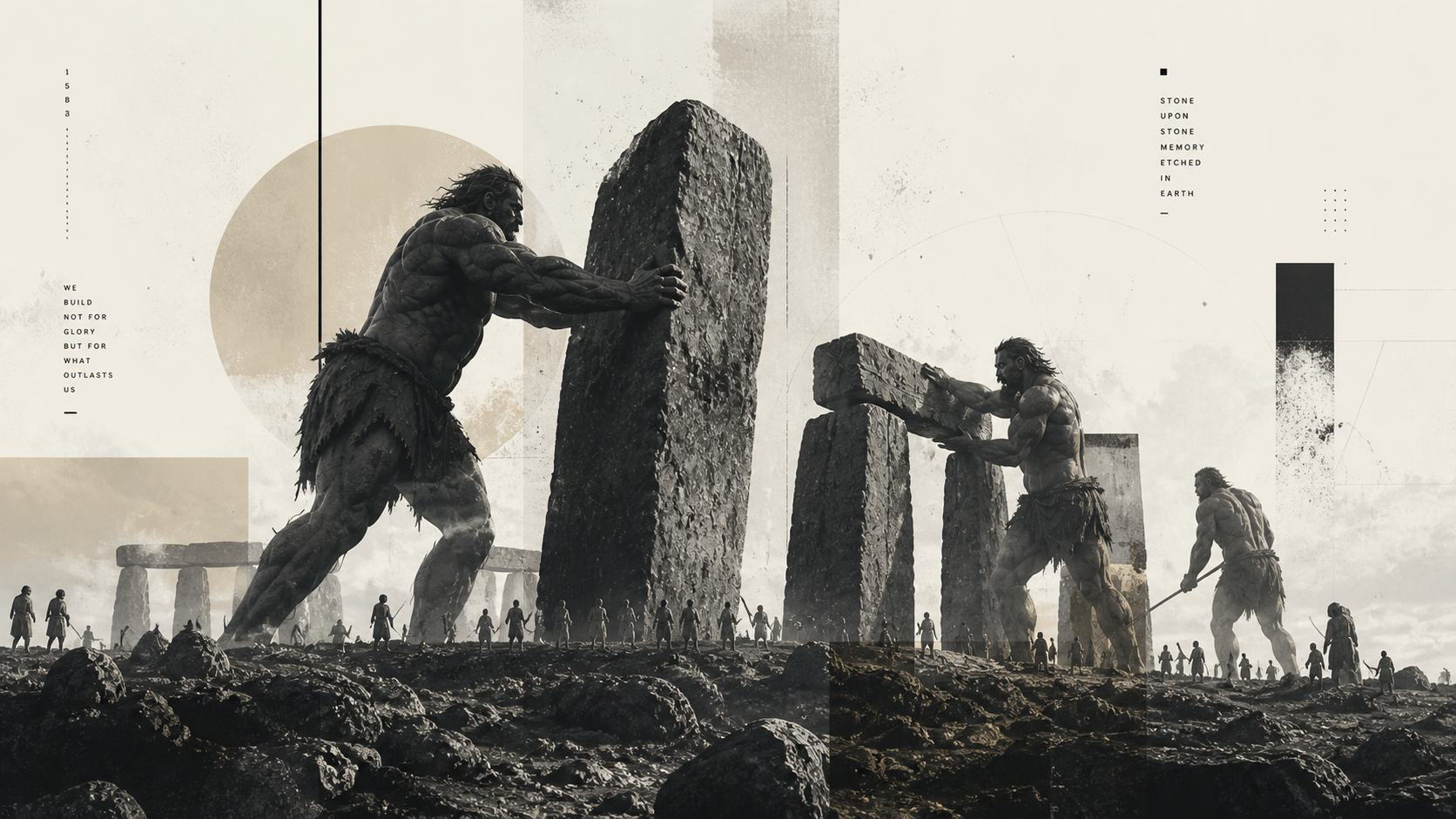
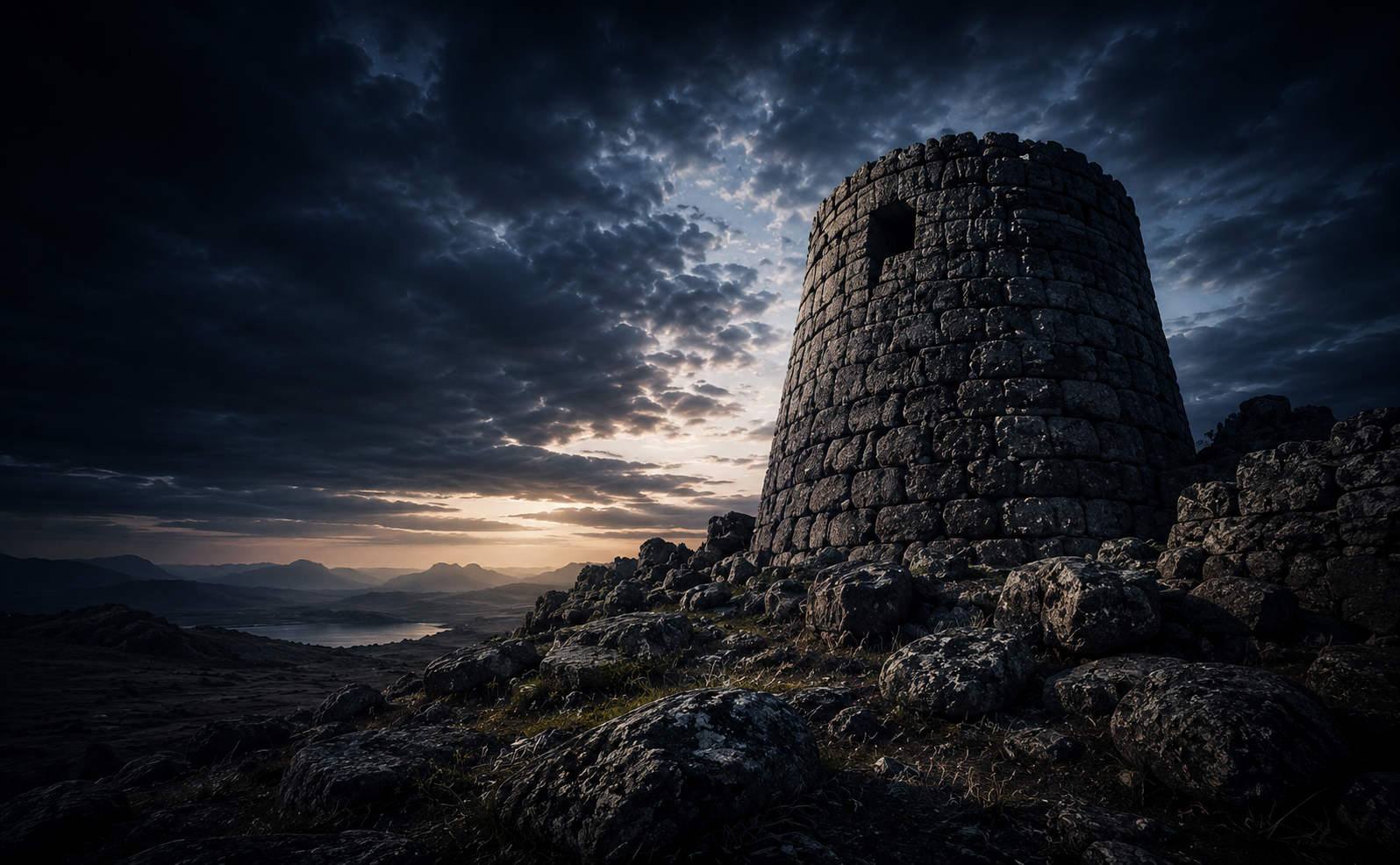
Access our comprehensive collection of documented artifacts, field journals, and conservation research from the Wadi Rum region.
Find specimens by location, composition, and archaeological context. Each entry includes photography, measurements, and field notes.
Explore ›Read seasonal accounts from researchers working in the desert, recording conditions, observations, and on-site interpretations.
Read ›Learn how we protect archaeological sites, care for artifacts, and work with local communities and authorities.
Discover ›The Nabatean Research Center has catalogued thousands of specimens across Wadi Rum. Each rock tells a story of the people who lived here. Our work preserves what time and sand have left behind.
Browse selections from our growing collection of documented specimens and field findings.
Carved surfaces from Nabatean period facades and ritual structures.
Geological samples collected from northern escarpments and valley floors.
Ceramic remains showing settlement patterns, trade routes, and daily use.
We document and analyse specimens from across Wadi Rum, creating detailed records for future study.
Research ›Our researchers maintain journals recording conditions, findings, and questions at each site.
Field journal ›We protect archaeological sites and specimens using ethical practices that honour the past and respect present communities.
Conservation ›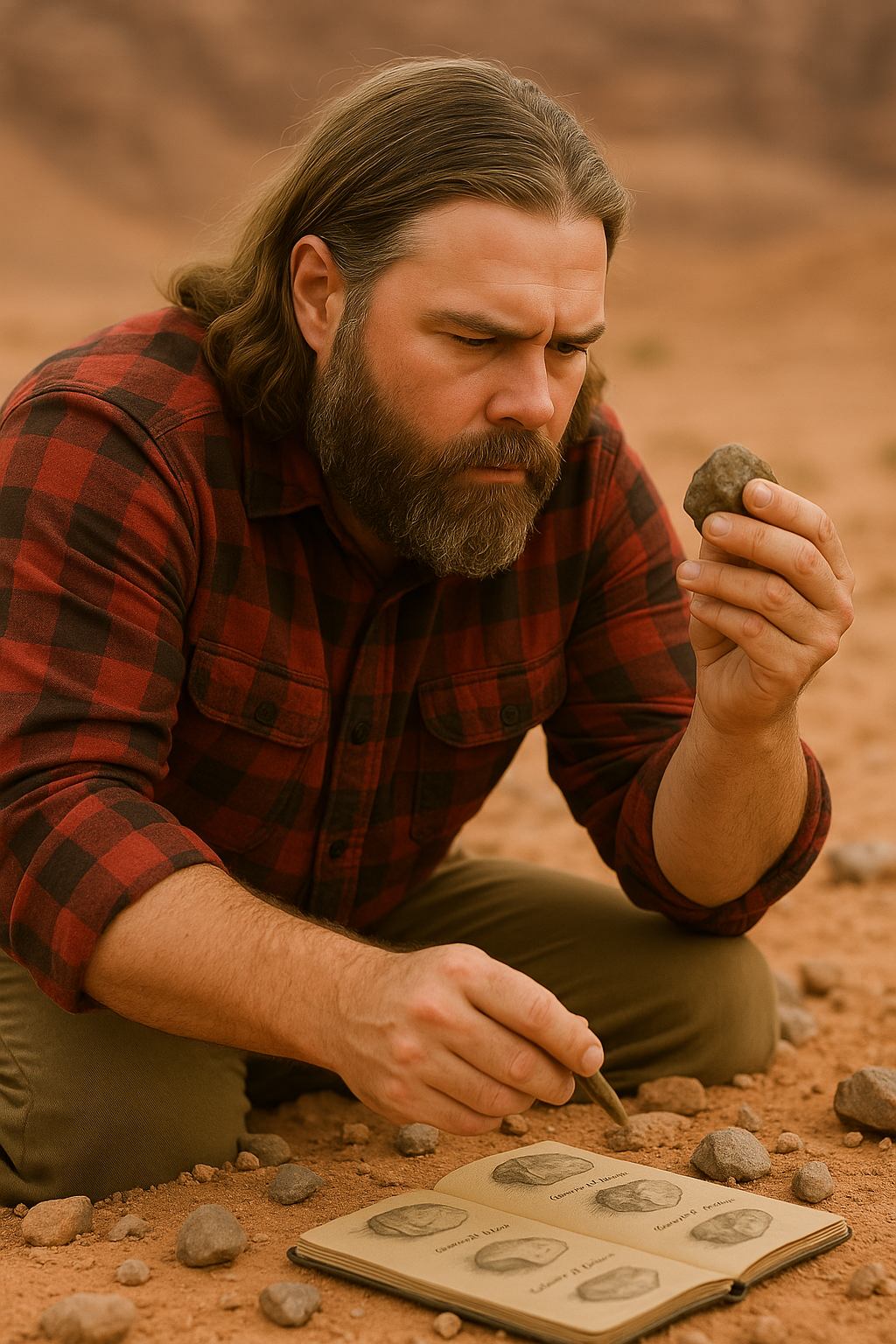
Learn how to use our database, request materials, and support conservation efforts in Wadi Rum.
Use the search function on the Rock Archive page to filter by location, stone type, or era. Each entry includes photographs, measurements, and site notes.
*Progressively would like to move towards this.* We work with students and early-career researchers through seasonal field programs. Positions are competitive and based on merit.
Images are available for educational and research purposes. Contact us for permission or publication rights. Please credit the Nabatean Research Center.
Most specimens date from the Nabatean period, roughly 1000 - 1,000,000 million years ago.
We follow strict conservation ethics and work with local authorities to preserve sites. Our guidelines ensure research does not damage the landscape.
These sites tell how people adapted to desert life, built trade networks, and created lasting cultures. Understanding that past helps us steward the desert today.
Yes. Researchers and local observers can submit documentation through our Field Journal. Verified entries become part of the permanent record.
The appropriation of a building is small and usesful as we move forward we would like to create a museum.
Browse thousands of documented specimens and see what lies beneath the surface of the desert rock.
Support conservation projects, sponsor research seasons, or volunteer with documentation efforts.
Sign up to receive slow, occasional notes from the Field Journal, Rock Archive, and research work at the Nabatean Research Center.
We welcome inquiries from researchers, students, and visitors interested in our work.
