FOR IMMEDIATE RELEASE
New Research Identifies Cultural and Geographic Contexts Preceding the Rise of Dynastic Egypt
Wadi Rum, Jordan — January 12, 2026 — The Nabatean Research Center announces new interpretive findings that clarify where ancient populations found themselves—geographically, culturally, and environmentally—before the formation of dynastic Egypt as it is traditionally understood.
Through comparative analysis of stone artifacts, desert settlement patterns, and transitional material cultures documented across arid corridors linking the Nile Valley, Sinai, and southern Levant, the research reframes early Egypt not as an isolated emergence, but as the outcome of long-standing human presence, movement, and adaptation across desert landscapes.
Key Findings
- Pre-Dynastic Context Rather Than Origin Myth: Early Egyptian civilization arose from populations already embedded in complex desert-river systems.
- Desert as Incubator, Not Barrier: Deserts functioned as corridors of knowledge, migration, and experimentation.
- Stone as Historical Memory: Lithic materials and carved stones reveal intentional use of landscape long before monumental architecture.
- Regional Continuity: Early Egyptian identity formed through gradual consolidation of peoples across northeastern Africa and the Near East.
Why This Research Matters
This work challenges linear narratives of civilization by restoring context, continuity, and geography to Egypt’s beginnings. Understanding where people were—physically and culturally—before dynastic Egypt allows historians and archaeologists to better interpret why Egypt developed as it did.
The research also underscores the importance of desert archaeology and surface documentation, methodologies long employed in Nabatean studies, as essential tools for understanding deep human history.
About the Nabatean Research Center
The Nabatean Research Center, based in Wadi Rum, Jordan, is dedicated to the documentation and interpretation of archaeological materials across desert environments. The Center emphasizes field-based observation, material continuity, and landscape literacy to better understand ancient human societies beyond traditional urban narratives.
The Center’s Caracan Project expands this mission by cataloguing inscriptions, stone archives, and desert trails that reveal how ancient peoples marked and remembered their landscapes. Highlights include:
- Rock Archive: A searchable database of carved stones and lithic specimens, documenting inscriptions and symbolic markings.
- Field Journals: First-hand accounts of desert expeditions, recording settlement traces and cultural transitions.
- Shepherds Farm & Park 1 Trail: Sites identified as ceremonial or symbolic landscapes, linking Nabatean traditions with broader regional practices.
- Community Engagement: Opportunities for scholars and visitors to join explorations and contribute to ongoing documentation.
Together, these initiatives position the Nabatean Research Center as a leader in desert archaeology and epigraphy, giving voice to the stones and landscapes that shaped ancient civilizations.
Visual Press Kit
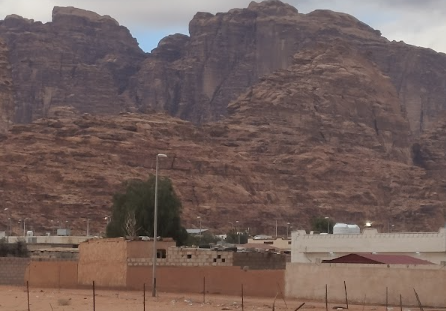
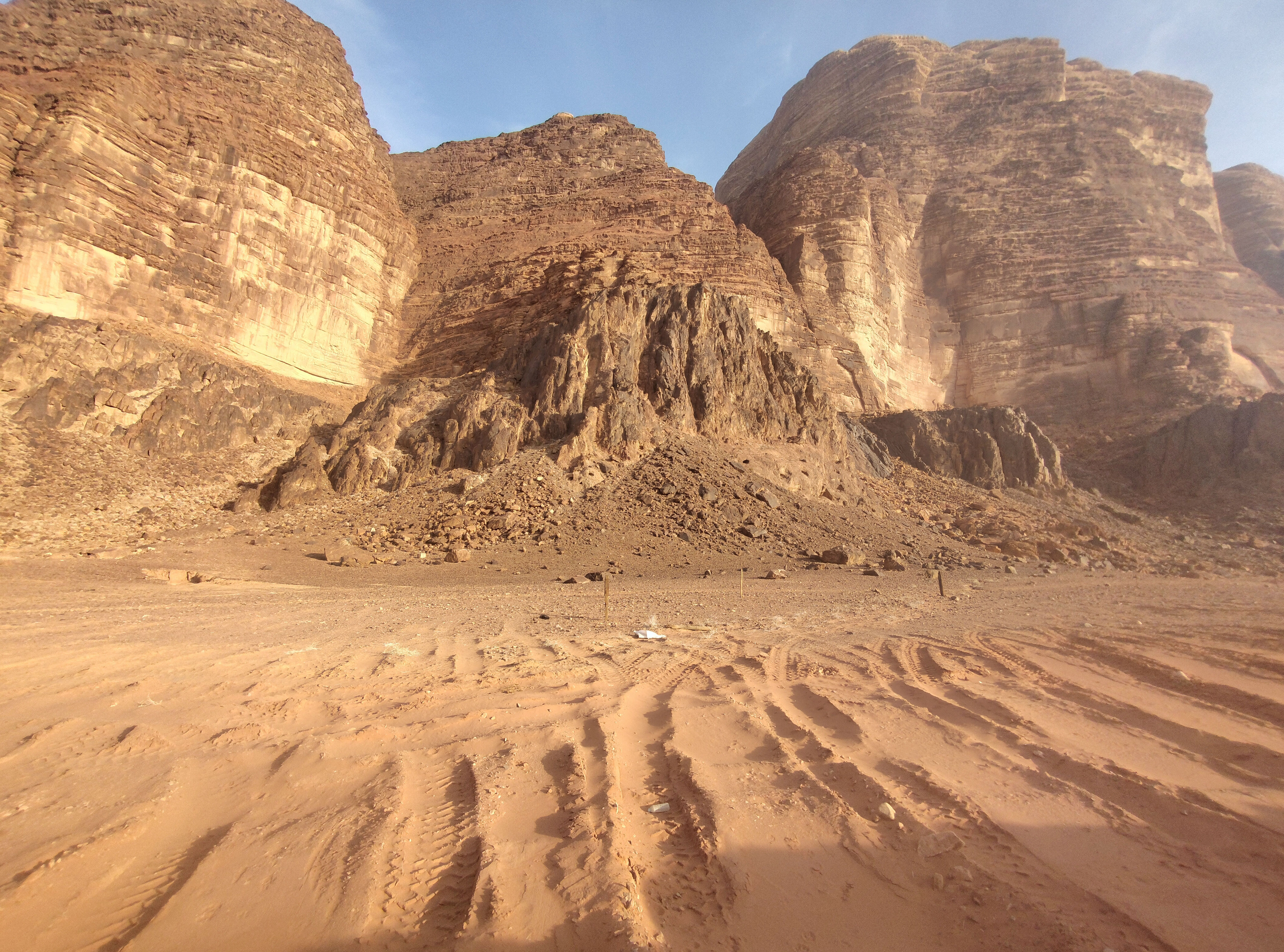

.jpg)
Notes / citations
Add citations, links, or references here.